

Uncategorized
Display Name Casino Profile AUD: The Bankroll Take
You already know how to lose money slowly. That’s the hard truth most guides won’t tell you on a Monday morning. Your display name casino profile AUD is just a label until you treat it like a ledger. I’ve spent years watching reel mathematics collide в цифровой среде бренда with player habits, and the maths doesn’t care about your nickname or your mate’s tip. What matters is the staking pattern hiding behind that profile screen. Adelaide locals know the feeling: you drive out to Thebarton Theatre for a gig, the interstate link coughs along the regional fibre, and you realise the whole night runs on timing you can’t control. Same thing applies when you’re sitting in a pub backroom with spotty Wi-Fi, trying to keep a session budget intact while the network drops out for three seconds. The profile is just the front door. The bankroll is the lock, the key, and the thing you’ll regret if you leave it on the wrong table.
Set a session budget before you log in
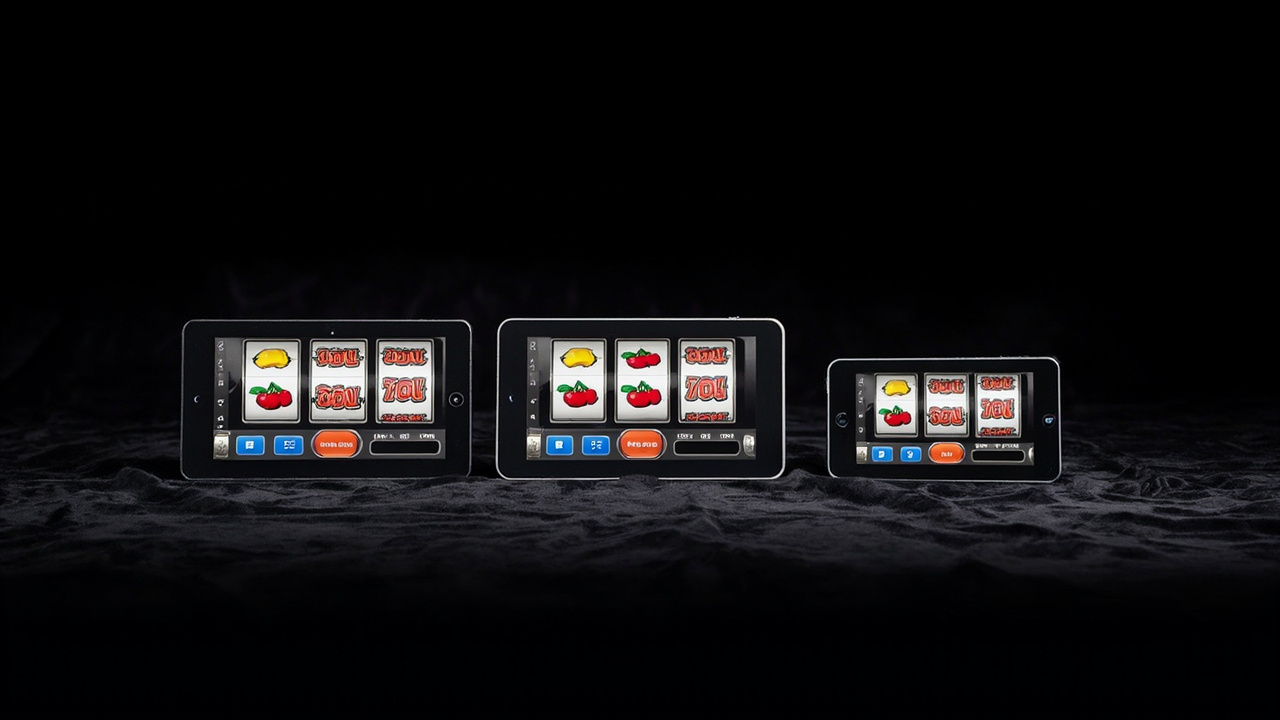
You don’t need a spreadsheet to start. You need a number you can afford to vanish. Say you deposit fifty dollars and you mark that as the ceiling for the night, not the floor for a recovery run. I’ve watched players treat a profile balance like a thermostat, cranking it up when the reels turn cold and pretending the heat will come back. It won’t. The return-to-player math on any title runs over thousands of spins, not over your Tuesday evening. Write the limit down somewhere physical, like a note on your phone or a scratch on the back of a coaster at the Adelaide Brewing taproom. When the number hits zero, you close the tab. No reinterpretation. No “just one more spin to see if the pattern breaks.” You set the budget, you honour it, and you walk away before the room gets loud.
Stake to the game, not to the story
Every slot carries a volatility signature that tells you how often it pays and how hard it hits when it does. High variance means long dry stretches punctuated by spikes that can wipe a session or rescue one. Low variance means smaller, more frequent returns that keep the balance breathing but rarely jumping. I judge a game the same way I judge a bridge on the Sturt Highway: you look at the load it’s meant to carry before you drive over it. Match your stake to that signature, not to the theme or the bonus round you saw on a mate’s screen. If you’re sitting on a two-hundred-dollar session and the title swings hard, a five-dollar bet per round is a different animal than a fifty-cent bet on a steadier wheel. Test the feel over twenty or thirty minutes, watch how the balance moves, then decide whether the maths suits your night. You’re not chasing a narrative. You’re funding a distribution.
Hard loss limits beat good intentions every time
Intentions evaporate the moment the screen flickers and a near-miss lands on the payline. A hard loss limit doesn’t. Set a figure that ends the session no matter what the reels are doing, and build it into the profile settings if the operator offers that control. Say you lose a hundred dollars in a sitting; the profile flags the stop, the tab closes, and you’re done for the night. I’ve seen players argue with themselves for twenty minutes after a limit breach, trying to pretend the next spin is a fresh start. It isn’t. The sequence is memoryless, and the bankroll remembers everything. Put the limit in writing, set a timer that reminds you when you’re halfway through, and treat the alarm like a train departure from Adelaide Parklands Station: once it leaves the platform, you don’t run after it. The discipline is boring. The discipline is what keeps you playing another month instead of another night.crazy time a live
Know when to stop and actually do it
Stopping isn’t a mood. It’s a decision you make before the session starts and execute when the conditions hit. Pick a win target that would make you smile, pick a loss target that would make you sleep, and stop at either one. Some players check a live table like crazy time a live, watch the pace, and decide the room isn’t giving them the rhythm they wanted; that’s a valid reason to fold, not a failure to commit. The profile balance is a snapshot, not a verdict. If the numbers are sitting where you planned, close the window and let the evening go where it goes. If you’re down to the loss limit, close it and don’t rewrite the story in your head. The trick is to make the exit feel normal, like finishing a pint at a South Road pub before the crowd thins and the music changes. You leave on your terms, not on the reels’ terms.Nit
Read the profile like a staking map
Your profile screen isn’t just a balance and a nickname. It’s a record of how you’ve been moving money through the machine, and you can read it the same way a mechanic reads a gauge before touching an engine. Look at the session history, note the average bet size, note the longest dry run, and ask whether your staking matches the volatility you picked. If the numbers show a pattern of ramp-ups after losses, you’ve got a tell and you can fix it before the next deposit. Some players also check a neighbour site like nit.com.au to compare how different operators present their account controls, because the layout affects how easily you can see your limits and your history. A clean profile tells you what you’re actually doing, not what you told yourself you’d do. Treat it as a mirror, not a trophy case, and you’ll spot the leaks before they sink the session.
Keep the session honest when the network wobbles
Regional internet in South Australia can throw a curve at any online session, especially when you’re sitting out past Murray Bridge or heading up the Yorke Peninsula where the signal thins and the latency jumps. A dropped connection doesn’t reset your bankroll, and it doesn’t forgive a loose staking habit. What happens next is simple: you pause the spin, you check the profile balance against your session limit, and you decide whether to resume or to pack it in. If the lag is bad enough to make the feed stutter, treat it as a cue to stop rather than a cue to chase. I’ve watched punters try to outrun a buffering screen by raising the bet, as if the extra stake could bribe the network into clarity. It can’t. The maths keeps running in the background, and the profile keeps tallying whatever lands when the feed comes back. Keep the bet size steady, keep the limit visible, and let the connection fail without letting it change your rules.
You’ll leave the screen with the same question you brought to it: did the session budget hold, or did the profile spend you instead. Tell me how you set your limits, what broke them, and whether the maths matched the night you actually wanted.
